| Status: | Active, open to new members |
| Coordinator: | |
| Group email: | Photography (Cramlington u3a) group |
| When: | Monthly on Wednesday mornings 10:00 am-12:00 pm 1st Wed. of month at Hub |
| Venue: | The Hub Cramlington |
Leader: Paul Murphy
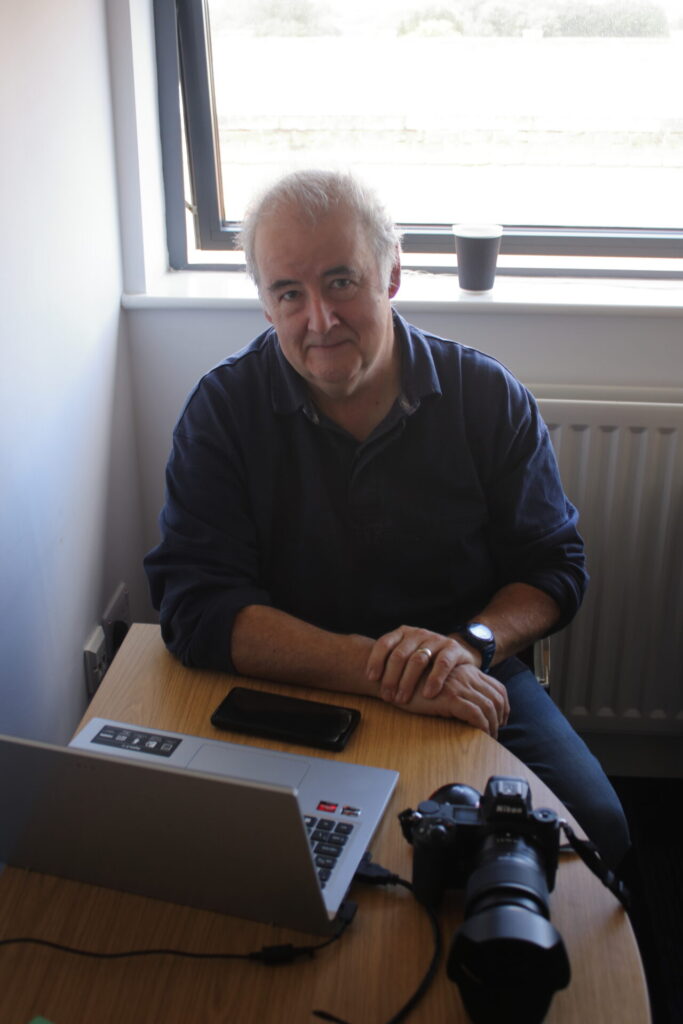
We meet on 1st Wednesday of the month at 10.00 at the Hub next to Concordia in Cramlington.
Want to take better pictures? A group for all abilities, all types of equipment, no experience necessary, but any experience welcomed.
As the leader of the Photography Group, my aims are to provide help and tuition on any level, so that members can get the best out of whatever device they are happy to use, be it phone or camera. This maybe by suggesting different viewpoints or settings, to make more interesting images with the possibility of some being added to the Cramlington u3a website Gallery for viewing.
I plan to have a mixed schedule of meetings, with some indoor meets and some safe group outings with as much help and advice provided as required.
My past experience has shown that looking at each other's images and sharing ideas is a great way to improve and gain confidence in your abilities.




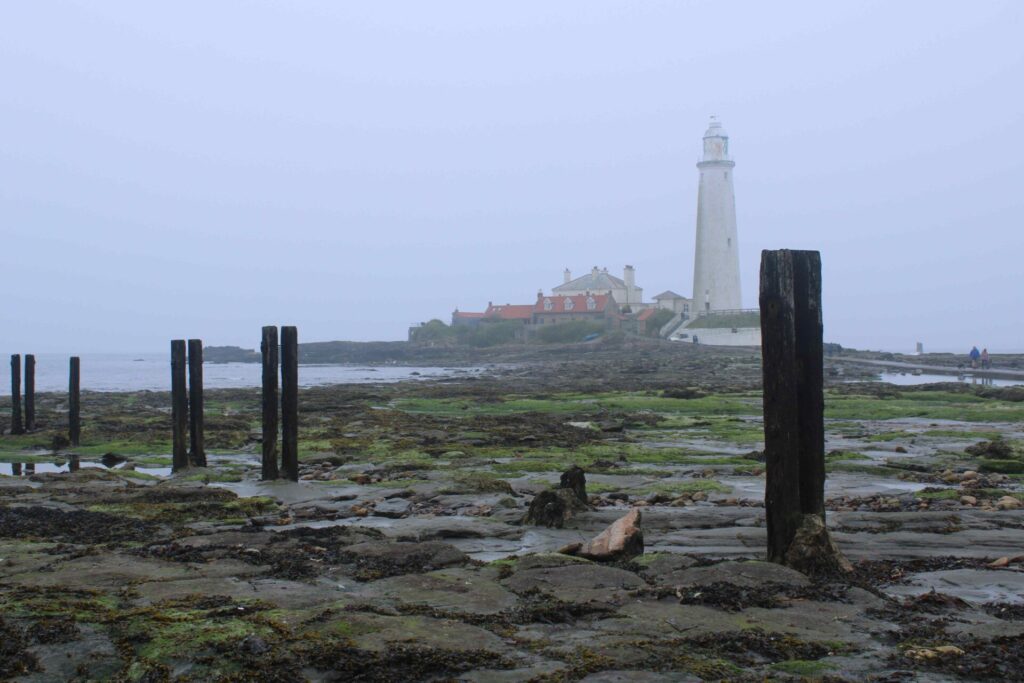
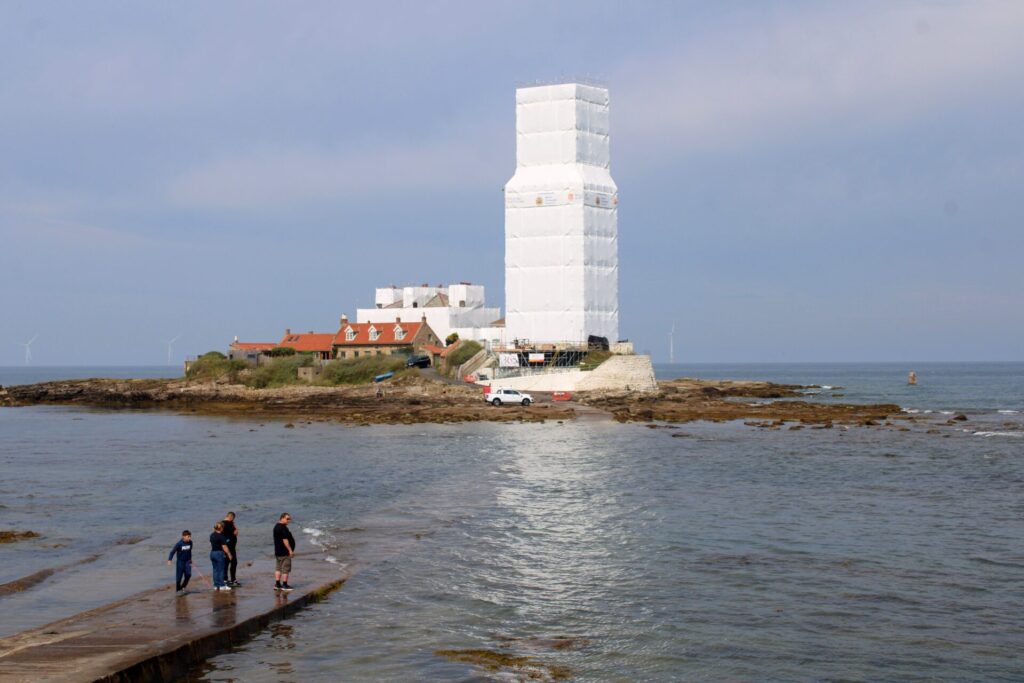



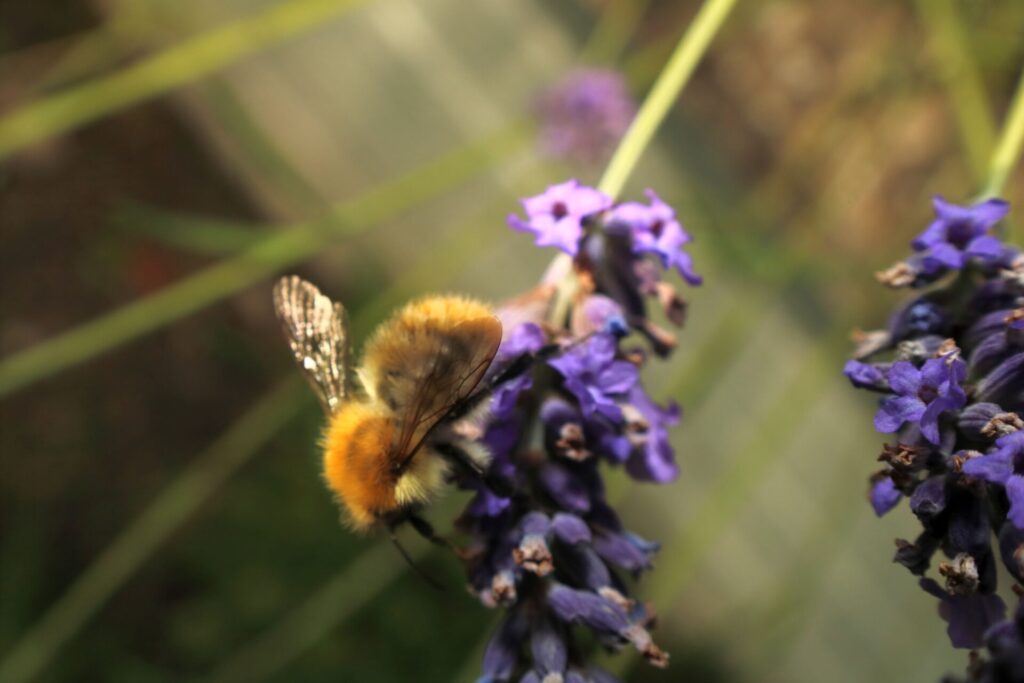
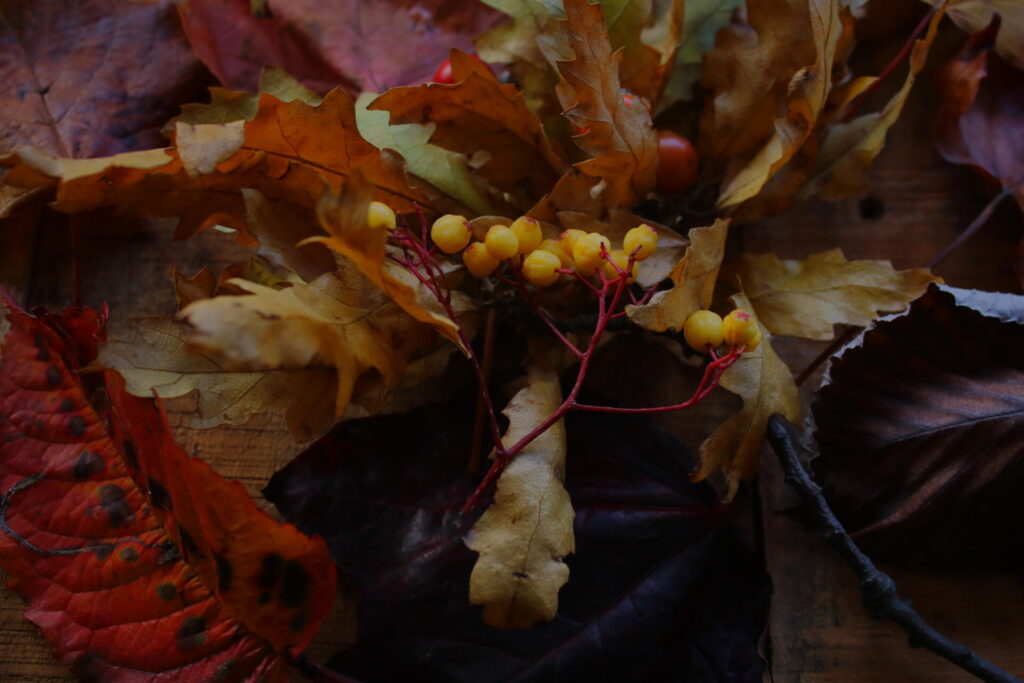
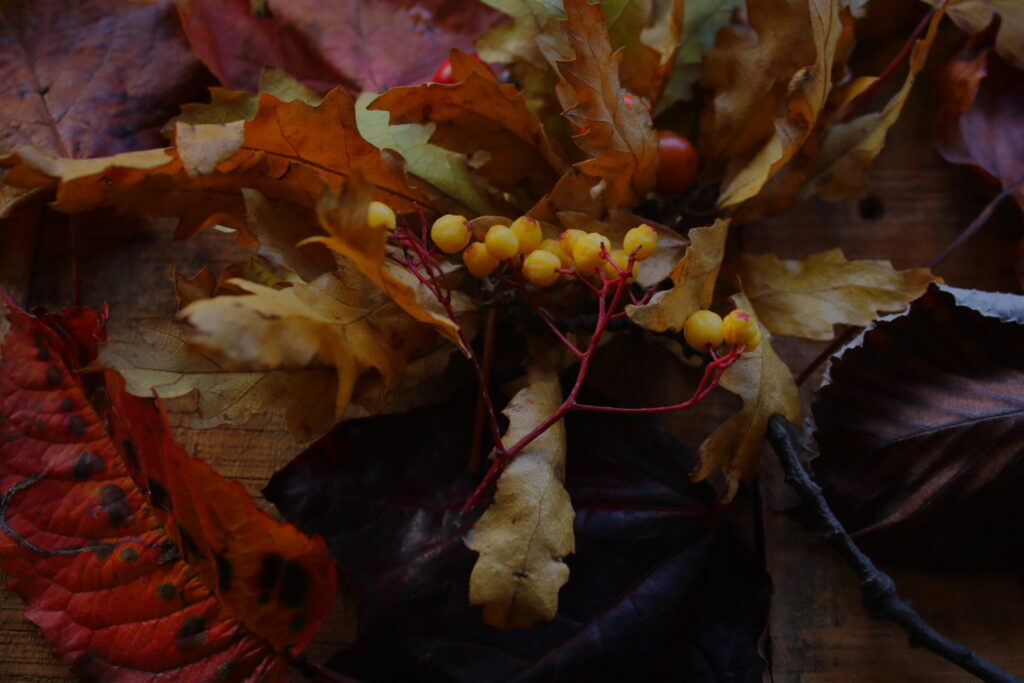
Octobers theme - Autumn
Autumn Photography Tips
-
Find Order in Chaos: When shooting woodland scenes, look for groups of trees that are nicely separated. Avoid angles where trunks overlap and choose one ‘hero’ tree to center your composition around1.
-
Use a Polarizer: A circular polarizer can enhance the deep fiery colors of autumn leaves by reducing glare and increasing color saturation2.
-
Experiment with Orientation: Break the habit of pairing certain subjects with specific orientations. Try shooting landscapes vertically or fungi horizontally to explore new perspectives1.
-
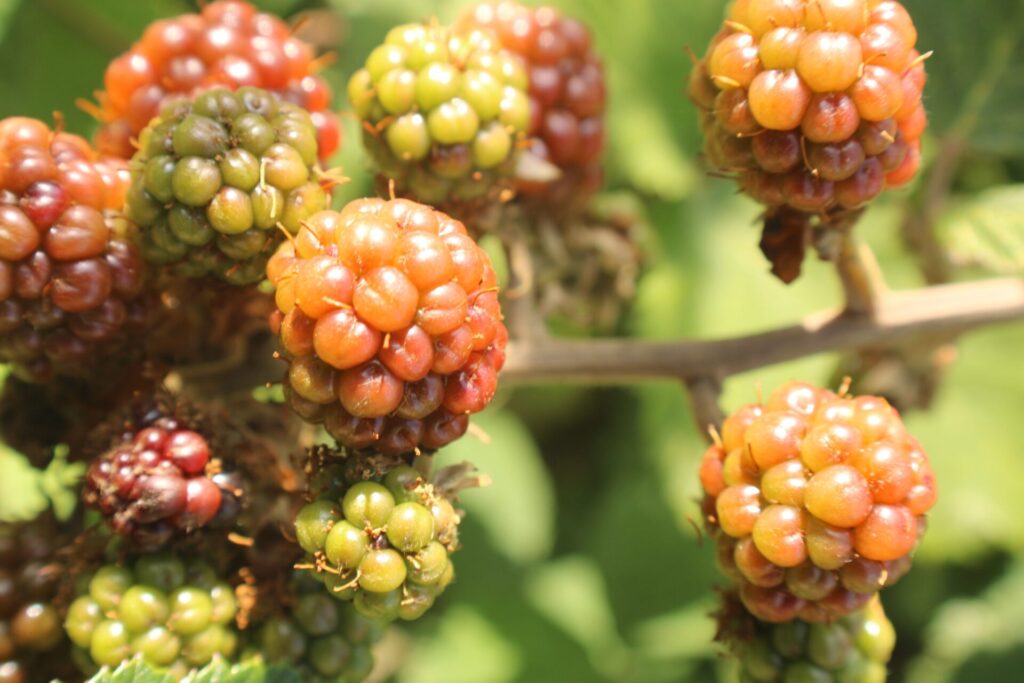
Capture the Harvest: Autumn is a great time for food or still-life photography. Visit local markets and document the process of preparing and eating seasonal produce like apples, blackberries, and squash1.
-
Utilize Backlighting: Use the soft, warm light of early morning or late afternoon to backlight leaves, making them glow and highlighting their vibrant colors3.
-
Avoid Auto White Balance: Use preset or custom white balance settings to enhance the warm colors of autumn. Start with the ‘cloudy’ setting and experiment with ‘shade’ for more intense hues2.
-
Capture Foggy Mornings: Fog adds a mystical quality to autumn landscapes. Early mornings are ideal for capturing this atmospheric condition4.
-
Look for Reflections: Use bodies of water to capture reflections of autumn foliage. This can add depth and interest to your photos2.
-
Experiment with Intentional Camera Movement (ICM): Moving the camera while the shutter is open can create beautiful, impressionistic images that convey a sense of location1.
-
Change Your Elevation: Get low to the ground or find a higher vantage point to capture unique perspectives of the autumn landscape4.
1: Amateur Photographer 2: Digital Camera World 4: Great Big Photography World 3: Digital Photo Mentor
-
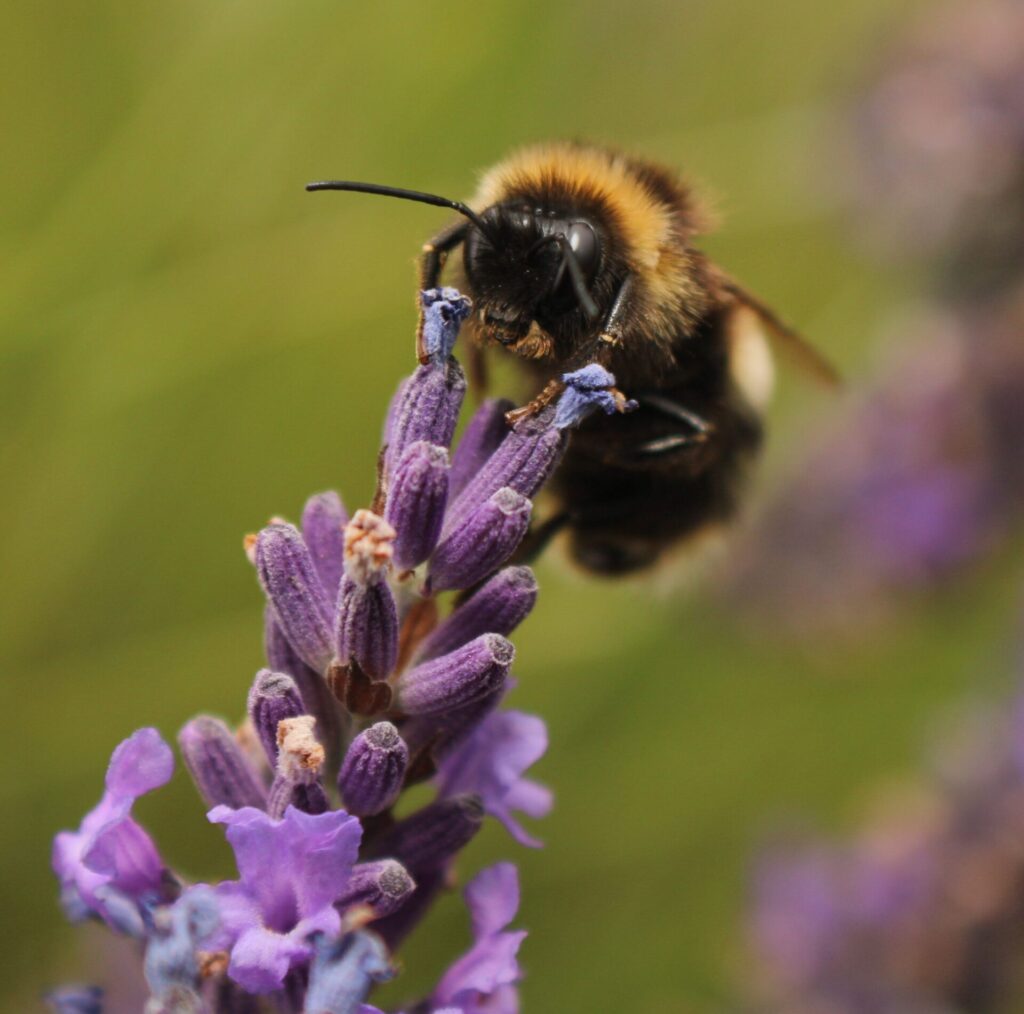
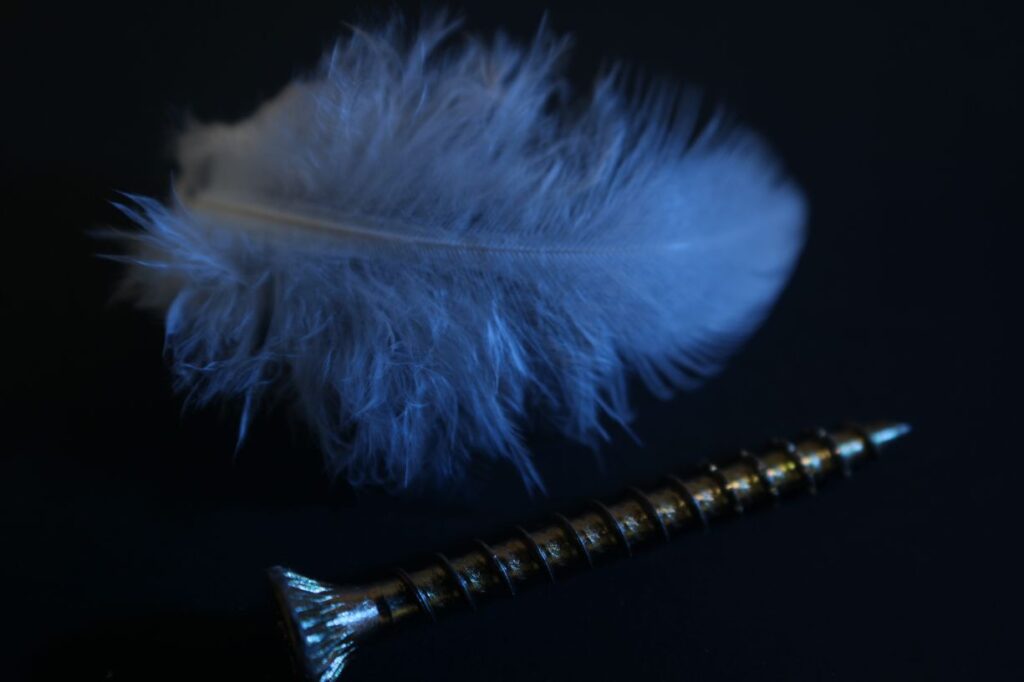
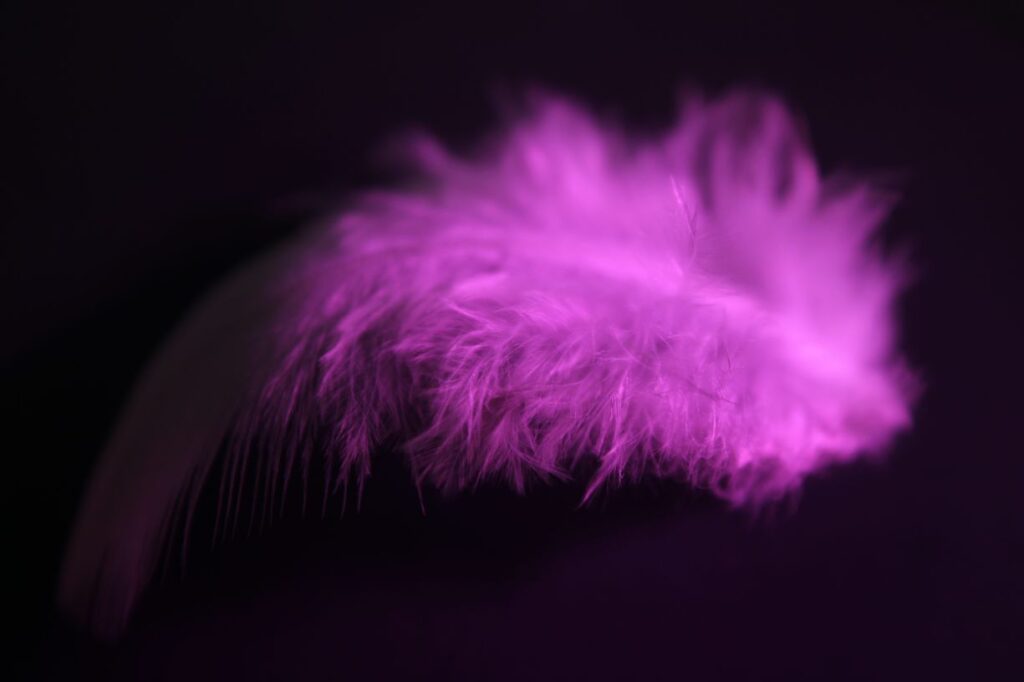
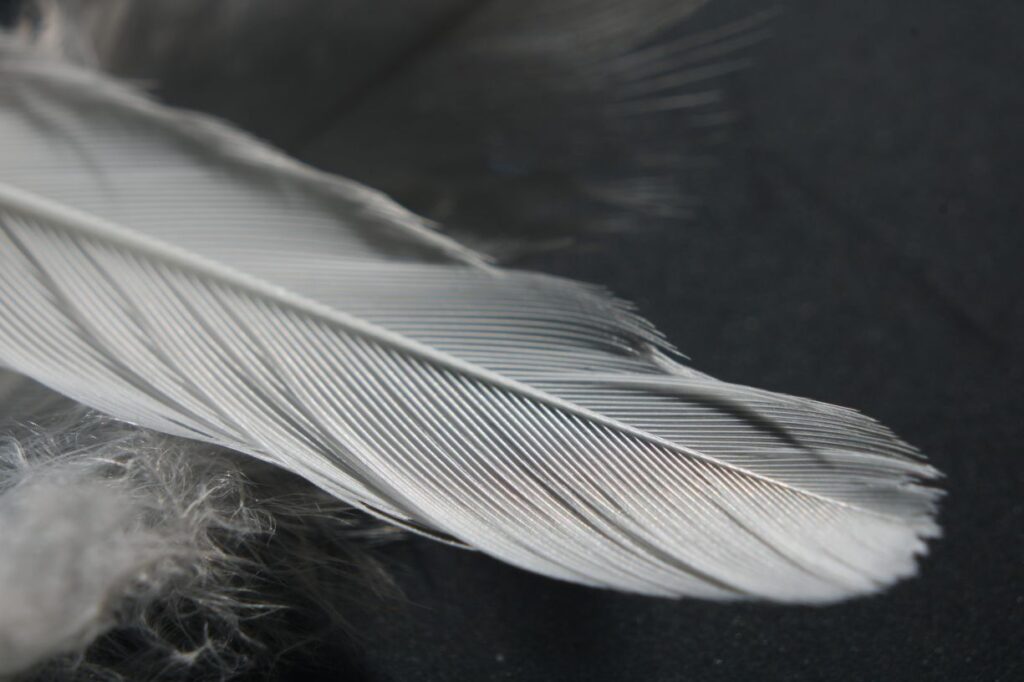
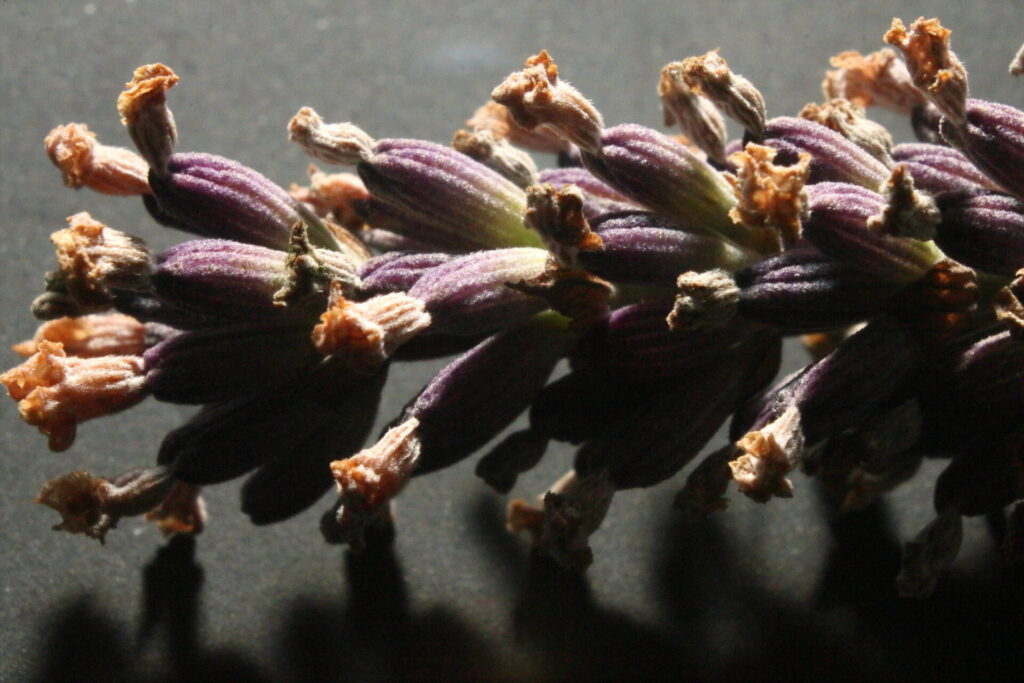
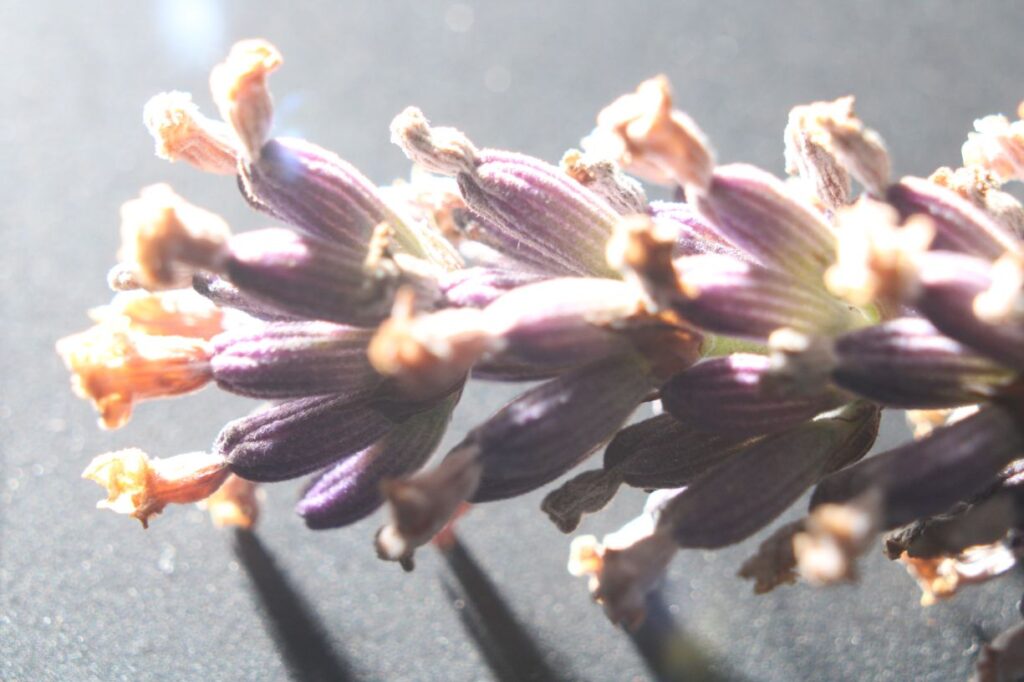
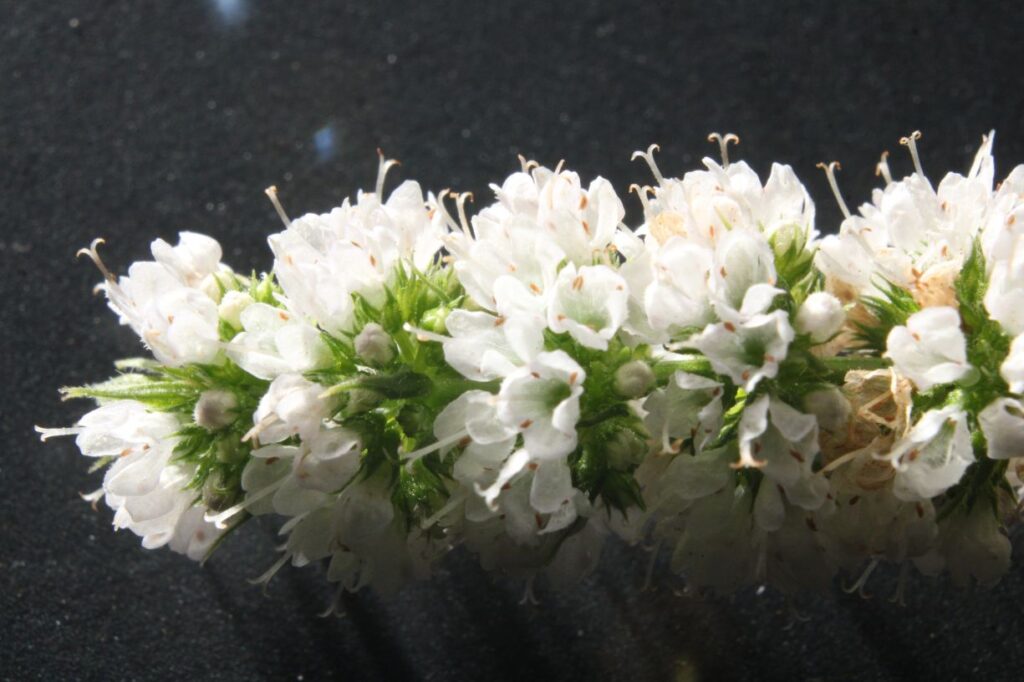
Septembers Theme - Macro Photography
Macro photography is a fascinating genre that invites us to explore the miniature world up close. 📸🔍
In a nutshell, macro photography involves capturing extreme close-up shots of very small subjects—often living organisms like insects, flowers, or even tiny details on everyday objects. The goal is to showcase these subjects in a way that makes them appear larger than life. 🌼🦋
Here are some key points about macro photography:
- Size Matters: By the original definition, a macro photograph is one where the size of the subject on the negative film or image sensor is life-size or greater. In other words, the subject appears larger than it actually is. However, sometimes the term “macro” also refers to finished photographs where the subject is greater than life-size. So, it’s all about emphasizing those tiny details! 📏
- Reproduction Ratio: The ratio of the subject size on the film plane (or sensor plane) to the actual subject size is known as the reproduction ratio. A classic macro lens can achieve at least a 1:1 reproduction ratio (meaning the subject is captured at life-size), although some lenses can go beyond that. 📷
- Tools of the Trade: To delve into macro photography, photographers often use specialized macro lenses, extension tubes, or close-up filters. These tools allow them to get incredibly close to their subjects while maintaining sharp focus. 🕷️
- Digital Age and Accessibility: Thanks to advances in sensor technology, even smaller-sensor digital cameras can now rival the macro capabilities of DSLRs with dedicated macro lenses. So, you don’t necessarily need expensive gear to explore this captivating world! 📱💡
- Percy Smith, the Pioneer: One of the earliest pioneers of macro photography was Percy Smith, a British nature documentary filmmaker born in 1880. His close-up photographs of natural subjects set the stage for this captivating art form. 🎥🌿
So, whether you’re capturing the intricate patterns on a butterfly’s wing or the delicate texture of a dew-covered leaf, macro photography lets us appreciate the beauty in the tiniest of things. 🦗✨
If you’re curious to try it out, grab your camera (or smartphone) and explore the world from a bug’s-eye view! 📸🌏
Copilot